
There's something about having a wardrobe that works. You know, the kind of closet where getting dressed feels effortless, your outfits feel authentic, and you actually enjoy wearing the pieces you own.
But let's be honest. How many times have you looked at a closet full of clothes and still felt like you had nothing to wear?
I've learned that having great style isn't necessarily about having more clothes or keeping up with every new trend. It's about understanding what you love, knowing what works for your lifestyle, and being intentional about the pieces you bring into your wardrobe.
And here's something worth remembering: Style is personal, not universal. Just because something looks amazing on someone else doesn't mean it's right for you. Your personal style should reflect your lifestyle, personality, and the way you want to present yourself.
If you're ready to be more intentional with your wardrobe, here are five ways to define your personal style and create a closet that feels like YOU.
01. Start With Your Lifestyle
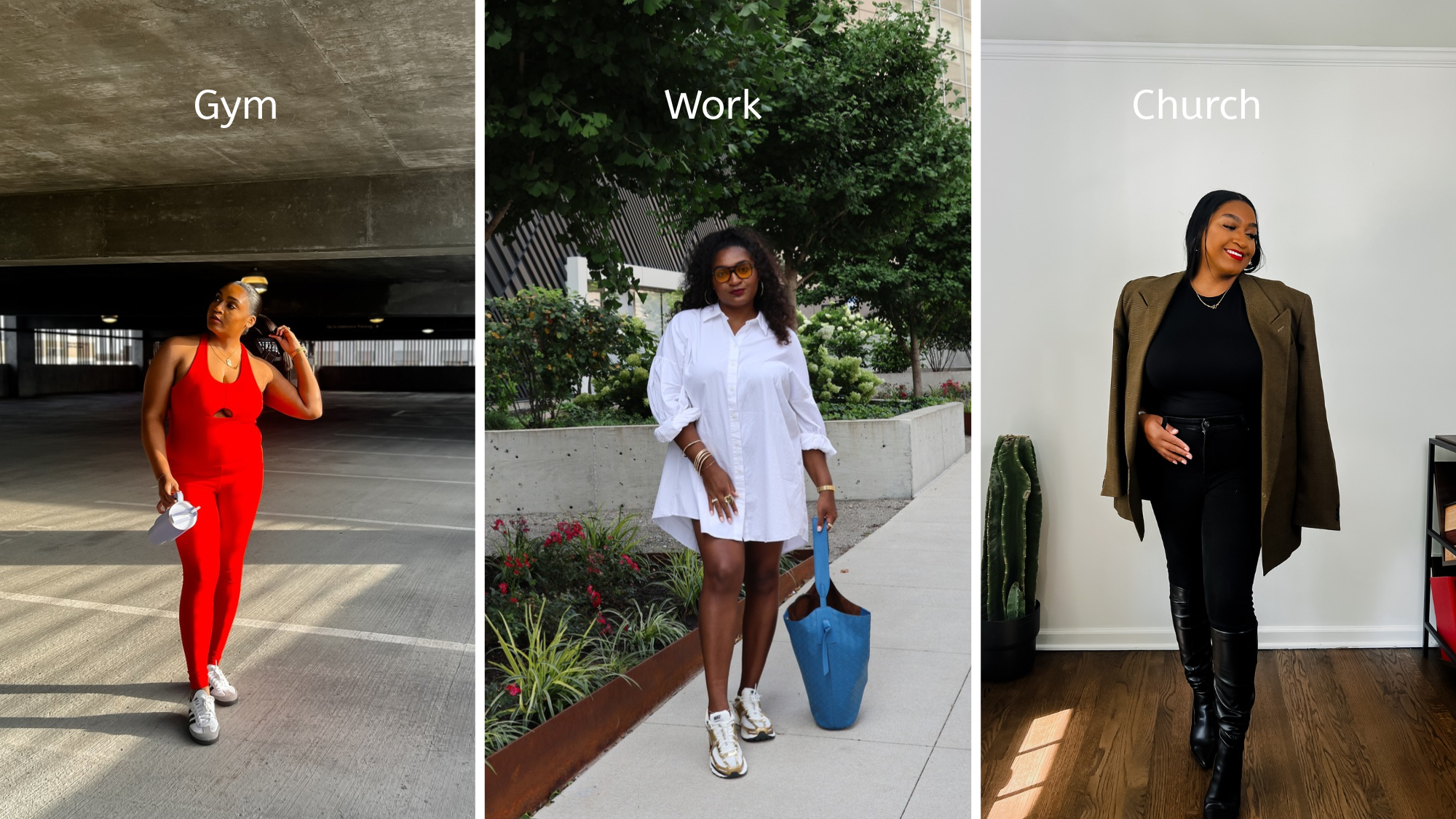
Before you start shopping for new pieces, take a look at your everyday life.
One of the biggest mistakes we can make when building a wardrobe is shopping for the life we wish we had instead of the life we're actually living.
Think about it: Where do you spend most of your time? Are you in the office throughout the week? Attending meetings, hosting events, going to church, running errands, enjoying brunch with friends, or working from home?
Start by identifying the top three places you visit each week. These are the occasions your wardrobe should accommodate.
For example, if your week consists of professional meetings, church, and casual outings, you'll want a good balance of elevated everyday pieces, polished looks, and comfortable outfits.
Your wardrobe should make getting dressed for those occasions easier, not harder.
I always think it's helpful to consider how you want to feel when getting dressed, too. Effortless? Feminine? Polished? Relaxed? These little details can help guide your style decisions.
The takeaway: Build your wardrobe around your actual lifestyle. When your clothes work for you, getting dressed becomes a whole lot easier.
02. Create a Style Inspiration Board
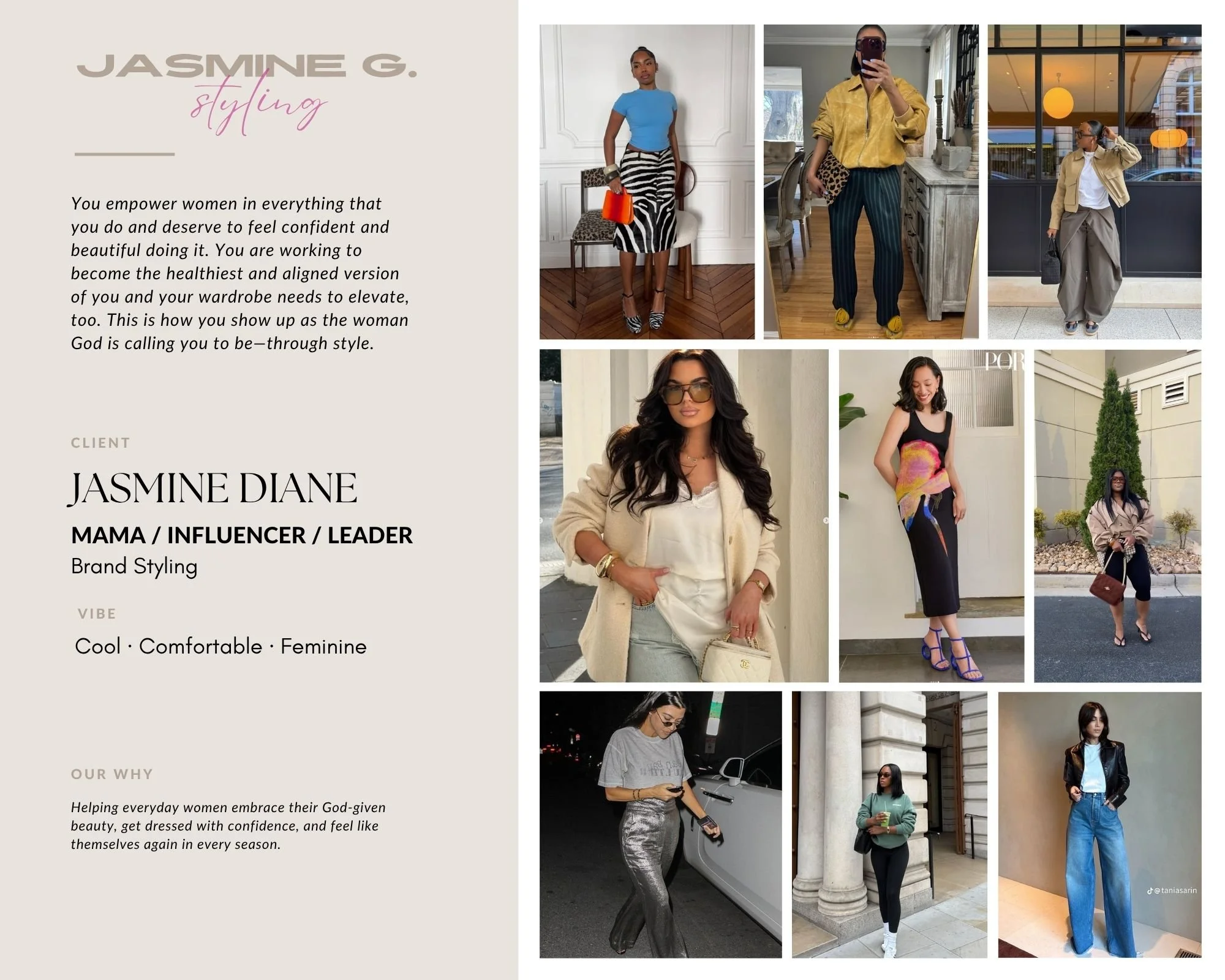
Now for the fun part!
If you're anything like me, you probably have a collection of saved outfits, Pinterest boards, and screenshots of looks you love. Well, it's time to put those saved photos to work!
Start gathering images of outfits that catch your eye. Don't worry about whether they're trending or whether you already own similar pieces. Simply focus on what you naturally gravitate toward.
Once you've collected a few photos, take a step back and look for patterns.
Maybe you love a good pair of denim, oversized silhouettes, neutral colors, tailored pieces, or a combination of feminine and classic styles. You may even notice that you gravitate toward the same color palette or accessories.
Those patterns are clues to your personal style.
I also wouldn't get too caught up in choosing a specific aesthetic. You don't have to be exclusively minimalist, classic, trendy, or feminine. Your style can be a beautiful combination of different influences.
The goal is to identify what you love and learn how to incorporate those elements into your everyday wardrobe.
The takeaway: Your inspiration board should be a reflection of your taste, not a collection of outfits you feel pressured to recreate.
03. Take Inventory of Your Closet
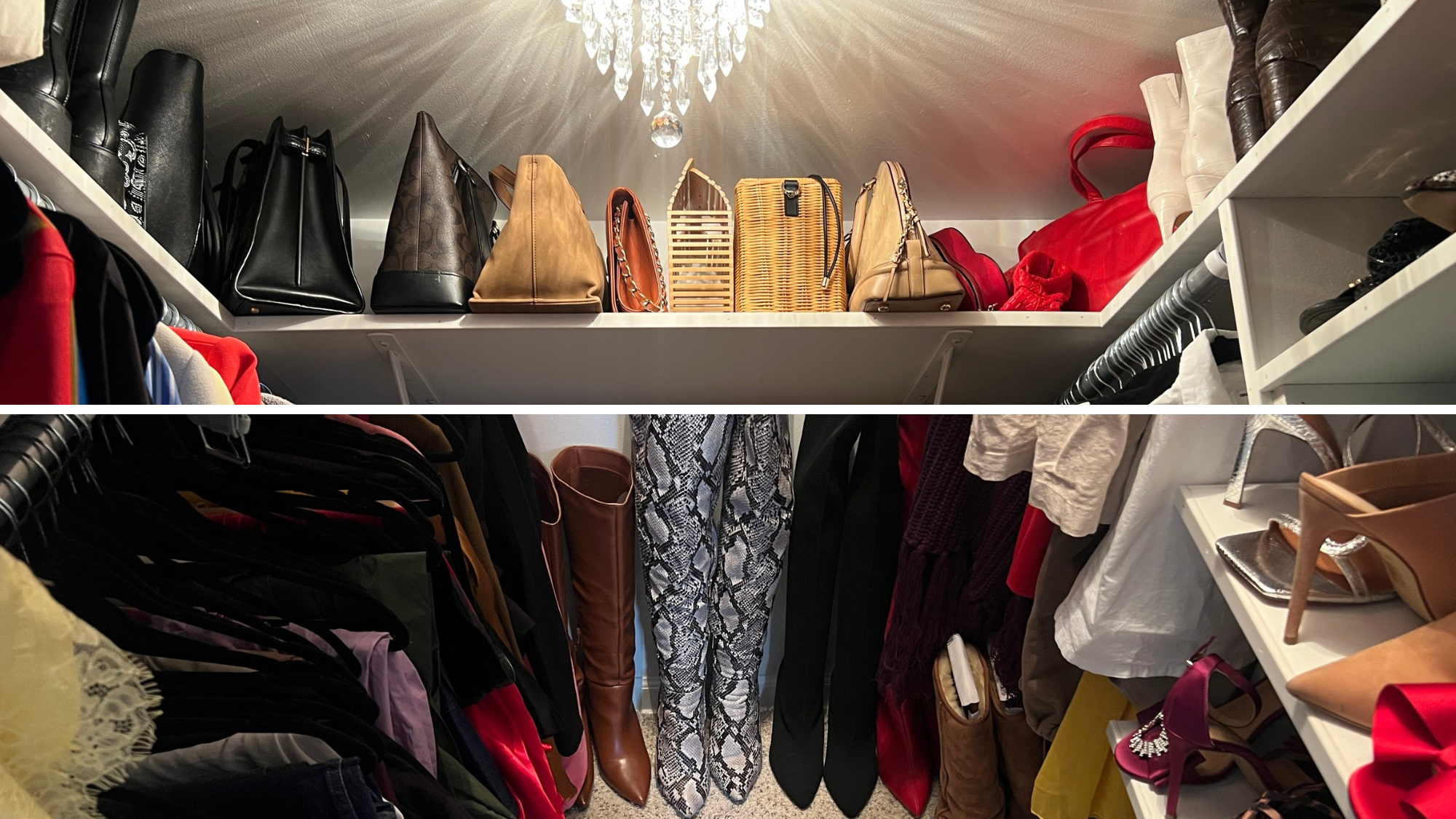
Before you head out shopping, let's see what you already have!
A closet audit is one of my favorite ways to get a better understanding of your wardrobe. Sometimes, we don't need more clothes. We simply need to be more intentional about the clothes we already own.
Start by going through your closet and organizing your pieces into categories: basics, tops, denim, trousers, dresses, outerwear, shoes, and accessories.
As you go through each category, pay attention to what you wear regularly, what you tend to overlook, and what you wish you had more of.
For example, you may have plenty of beautiful tops but only one pair of trousers you actually love. Or maybe you have a closet full of denim but are missing versatile tops that make creating outfits easier.
This is where you'll begin to identify the gaps in your wardrobe.
I love the idea of having a collection of pieces that can be styled multiple ways. A great blazer, a classic pair of jeans, a quality basic, and a versatile shoe can go a long way when building outfits.
The takeaway: Before buying something new, understand what you already own and identify the pieces that would make your wardrobe more cohesive.
04. Edit Your Closet
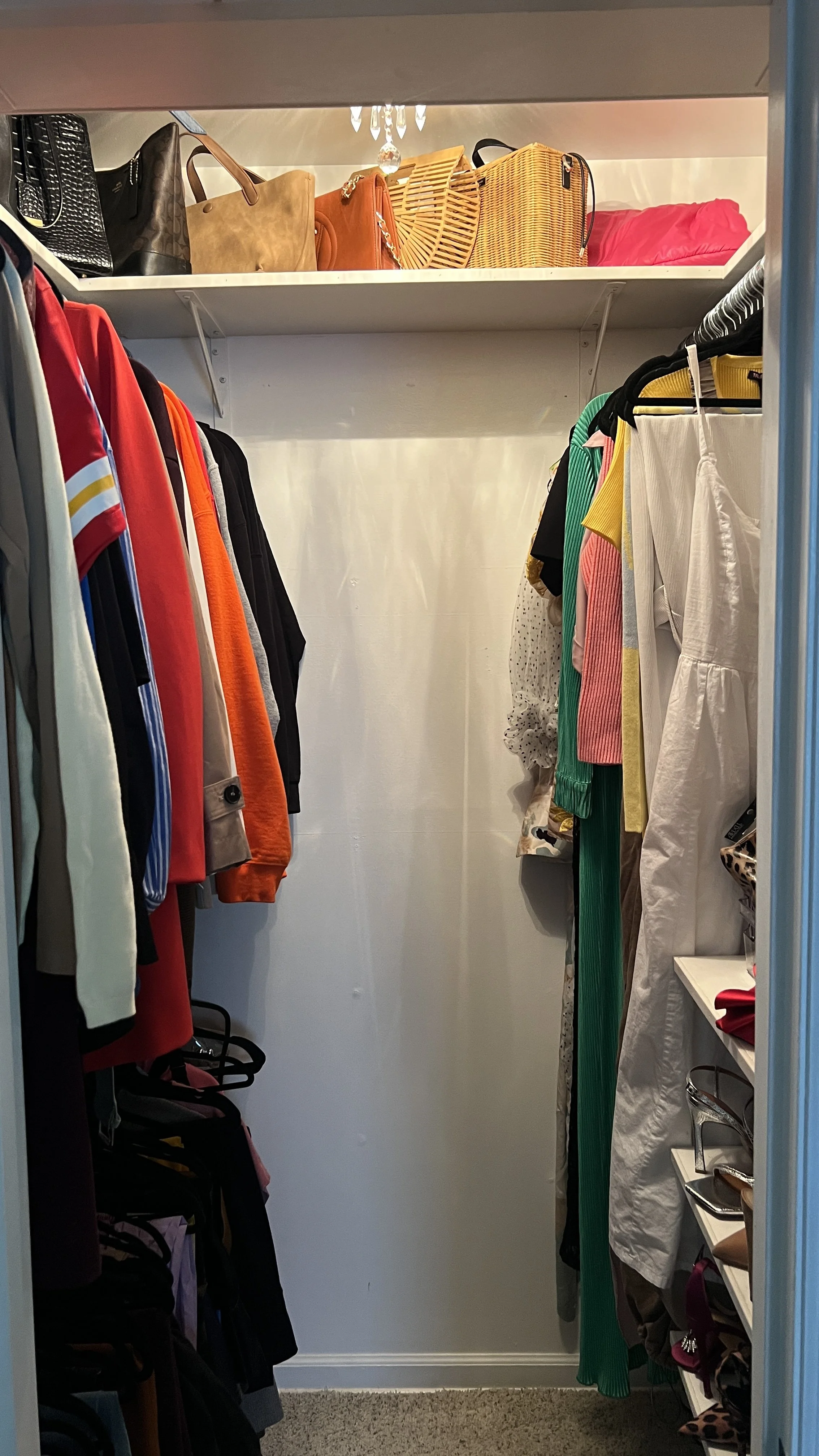
Now that you've identified what you love and what may be missing, it's time to make a little room.
We all have those pieces in our closets that we haven't worn in forever. Maybe it was an impulse purchase, something that was trending at the time, or an item we bought for a specific occasion and never wore again.
Whatever the reason, it's worth asking yourself whether those pieces still serve a purpose in your wardrobe.
As you go through your closet, consider letting go of anything that no longer fits, doesn't complement your current style, or simply doesn't make you feel good when you wear it.
And please, don't feel obligated to hold on to something just because you spent money on it!
I think there's something refreshing about creating space for pieces that better represent who you are today. Your style can evolve, and your wardrobe should have room to evolve with it.
You can donate gently worn pieces, sell items that are still in great condition, or pass them along to someone who will enjoy them.
The takeaway: A more intentional wardrobe starts with being honest about what deserves space in your closet.
05. Shop With Intention
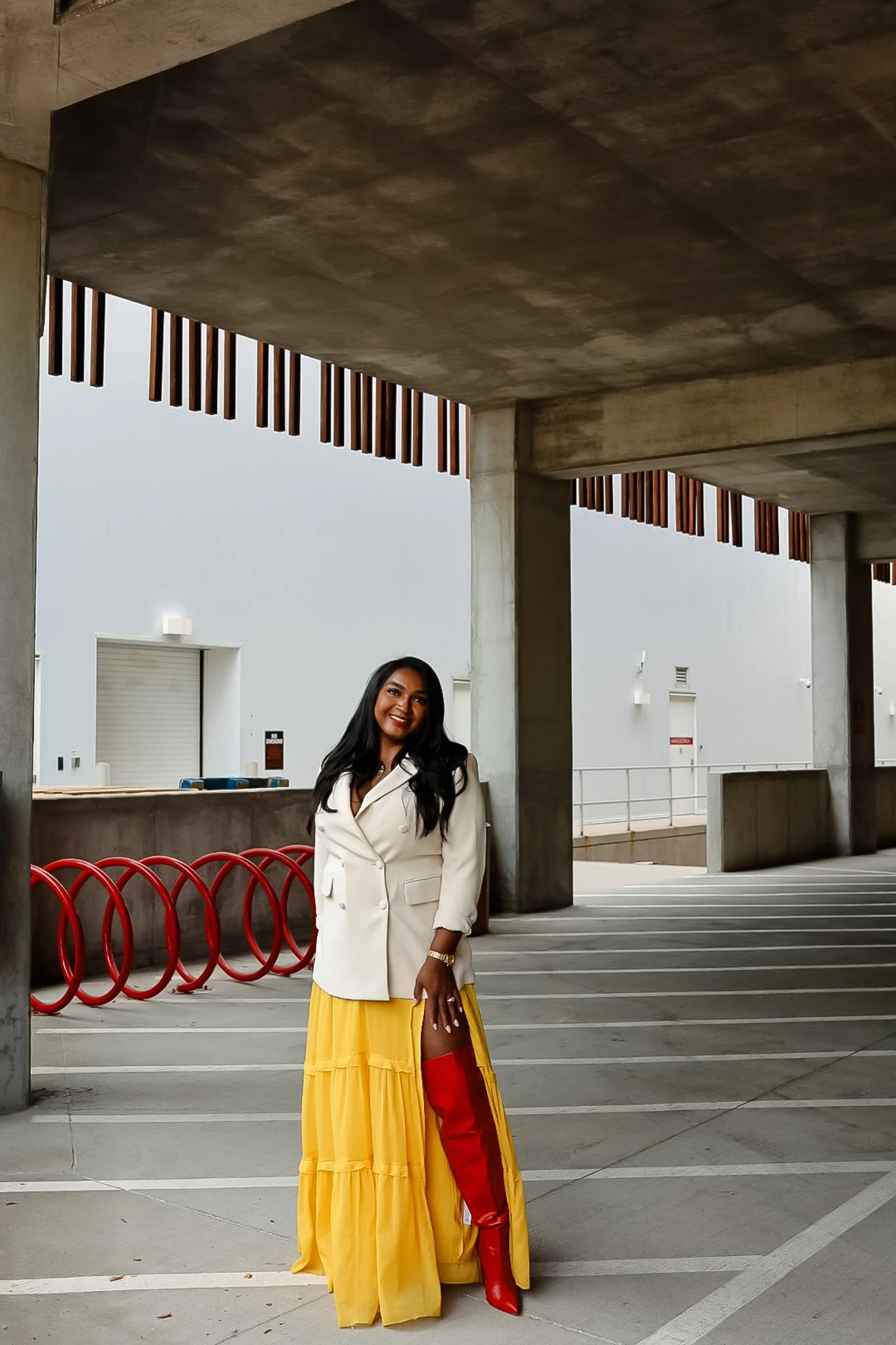
And now, it's time to shop!
But before you start filling your cart, remember that we're shopping with a plan.
Go back to the list of wardrobe gaps you identified earlier. What are the pieces that would make the biggest difference in your everyday outfits?
Start there.
I always recommend investing in versatile pieces that can be styled in multiple ways. Think classic denim, tailored trousers, quality basics, a great blazer, timeless shoes, and accessories that elevate even the simplest outfit.
When considering a purchase, ask yourself:
Does this fit my personal style?
Can I wear this for multiple occasions?
Does it complement pieces I already own?
Will I still love wearing this beyond the current season?
These are the kinds of questions that help you become a more intentional shopper.
And remember, you don't have to build your dream wardrobe overnight. Take your time finding pieces you genuinely love. It's much better to invest in a few thoughtful additions than to fill your closet with things you'll only wear once.
The takeaway: Shop for the wardrobe you want to create, not just the outfit you want to wear this weekend.
A Final Note on Personal Style

At the end of the day, personal style is about more than clothes. It's about knowing what you love, feeling confident in your choices, and allowing your wardrobe to reflect who you are.
You don't need to follow every trend, purchase an entirely new wardrobe, or dress like someone else to have great style.
Sometimes, the best thing you can do for your wardrobe is slow down, take inventory, and become more intentional about what you wear.
Give yourself permission to experiment, embrace what feels authentic, and let your style evolve along the way.
Because the best-dressed version of you isn't necessarily wearing the latest trends. She's wearing what makes her feel like herself.
Now tell me: What's one word you'd use to describe your personal style? I'd love to hear in the comments!
Happy styling! ♡